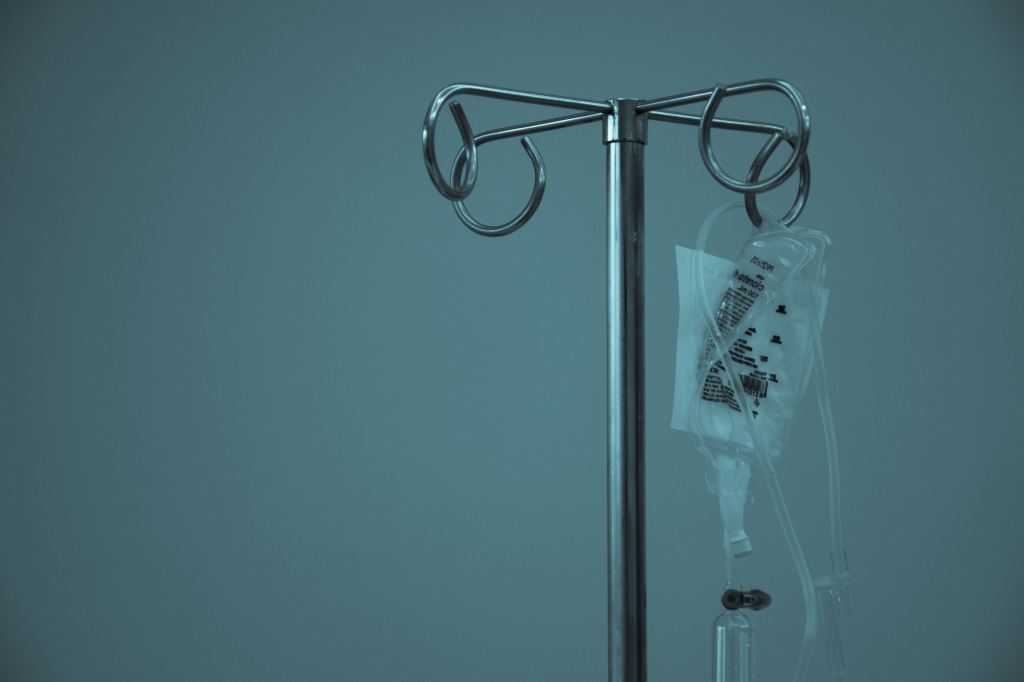
Nothing’s scarier than having a sick child, so when our 21-month-old was quickly losing her energy and fluids with her high fever and incessant vomiting last Tuesday, we decided not to risk it any longer and brought her to the hospital.
Thankfully, all her tests turned out negative – up to now, we still have no idea what caused her fever and dehydration – and she’s back home now, more energetic and demanding than ever.
Around this time last year, Sprout was also hospitalized due to UTI and diarrhea. Because it’s our second time having to confine her, we were more prepared and more at ease now. Today, Francis and I are sharing what we think parents need to pack to make our toddlers’ hospital confinement more seamless and less stressful.
- Documents and IDs
- Feeding essentials
- Medicine Kit
- Comfy clothing
- Beddings
- Toiletries and personal care
- Toys
- Entertainment and snacks
- Final Thoughts
Documents and IDs
- Health cards and IDs
- Watcher’s vaccination card
- Baby’s immunization book
- Baby’s test results
- Doctor’s order
We recommend keeping all your documents in one place, such as a plastic envelope, for fast and easy access.
Feeding essentials
Depending on the case, you may need to bring food for your toddler during his or her hospital stay. Here’s what you will need:
- Formula and feeding bottles/cups (if using)
- Distilled water
- Utensils (for the watcher)
- Dishwashing liquid
- Sponge/bottle brush
- Sterilizer (ask if allowed)
- Electric kettle (ask if allowed)
Note that you might need to offer your toddler small frequent feedings. Consider bringing lots of bottles so you don’t have to spend so much time washing and sterilizing them.
Medicine Kit
You might think it’s unnecessary to bring your own medicine kit since everything will be available in the hospital. But trust me, you’ll save some money if you bring your own.
Here’s what you should have in your medicine kit:
- Paracetamol
- Ibuprofen
- Wee bags
- Antibiotics (requires prescription)
In our case at the Heart of Jesus Hospital, these are included in the admission kit:
- 70% alcohol
- Cotton
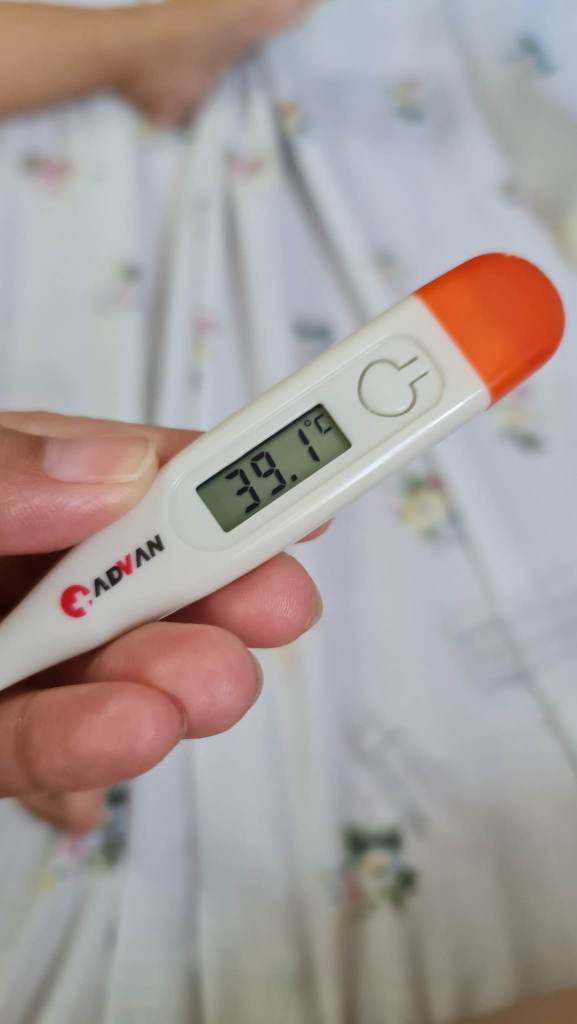
- Thermometer
In addition, you shouldn’t forget your own supplements and medicines. As they say, you can’t pour form an empty cup, so you shouldn’t forget to look after yourself.
Comfy clothing
One important thing I learned from my mother is to pack old clothes that I’d have no qualms throwing away for a hospital stay. Aside from absorbing hospital “air,” they’d most likely be peed, pooped, and vomitted on.
In additon, you’d want:
- Shirts with very loose or no sleeves (so the armpits are easily accessible when taking temperature, and through which the IV can slip during changes)
- Pajamas
- Socks
- Slippers
Beddings
Hospital beddings are not the most comfortable. Your baby may sleep more comfortably in her familiar linen. Additionally, at HJH, there are no beddings for watchers, so you’d really have to bring your own.
- Pillows
- Blankets
- Bed sheets
Toiletries and personal care
- Bath essentials
- Deodorant
- Feminine wash/wipes
- Toothbrush
- Tooth paste
- Disposable napkin/pantyliner
- Disposable diapers
- Wet wipes
Toys
Did you notice that whenever there are calamities and disasters, toys are included in calls for donations? According to Francis, who is a Disaster Risk Reduction Management Officer, this is because toys help children feel better during an otherwise traumatic experience. Toys are part of the psychological first-aid for kids.
For Sprout, we brought her current favorite stuffed doll.
Entertainment and snacks
After the initial panic and stress and everything is in place, you’d realize that hospital time can be super slow. Your kid will mostly sleep, while you will be awake with nothing to do but wait.
Here are some stuff you might want to consider to pass the time:
- Gadgets
- Chargers
- Pocket WiFi
- Extension cord
- Books
Final Thoughts
Having a toddler in the hospital is undoubtedly a challenging experience, but by preparing ahead of time and maintaining a positive mindset, you can help make the stay as smooth as possible for both you and your little one. Remember, you are not alone in this journey. Reach out to other parents who have been through similar experiences and seek support. Together, we can navigate the ups and downs and ensure the best possible care for our precious children.

 Mom Life
Leave a comment